
Mosquitoes are one of the most significant public health threats in North Texas, and not just because of the itch. Dallas County has reported West Nile virus cases every year since 2002, and the 2012 outbreak was the largest in the United States since recordkeeping began.
The Aedes mosquito species responsible for transmitting Zika and dengue fever has established populations in the DFW area. With a mosquito season that stretches from late March through October, and warm winters that sometimes extend that window further, Dallas and Fort Worth homeowners face months of yard disruption and bite risk every year.
Understanding when mosquito activity peaks, where they breed on a typical DFW property, and how professional barrier treatment works is the difference between reclaiming your outdoor space and abandoning it from June through September.
Key Takeaways
- DFW mosquito season typically begins in late March and runs through October, with the highest activity in July and August when temperatures and humidity are both elevated.
- West Nile virus is transmitted by Culex quinquefasciatus, which is the most common mosquito species in North Texas. Dallas County conducts annual surveillance and aerial spraying when thresholds are exceeded.
- Aedes aegypti and Aedes albopictus, both present in DFW, are aggressive daytime biters capable of transmitting Zika and dengue fever. Standard dusk protection is not sufficient against these species.
- Mosquitoes require standing water to complete their life cycle. A female can lay 100 to 200 eggs in as little as a teaspoon of water. Weekly elimination of all standing water on a property is the single most effective DIY prevention step.
- Professional barrier spray treatments target adult mosquito resting sites on foliage and fence lines, providing 21 to 30 days of residual protection when applied monthly through the season.
When Does Mosquito Season Start in Dallas-Fort Worth?
Mosquito activity in DFW follows temperature closely. Adult mosquitoes become active when evening temperatures consistently stay above 50°F, which in North Texas typically occurs in late March. By April and May, populations are building. The peak of DFW mosquito season runs from late June through August, when the combination of high temperatures, overnight humidity, and frequent afternoon thunderstorms creates ideal conditions for rapid reproduction.
Mosquitoes do not just breed in obvious standing water. In the DFW climate, any container that holds water for more than four days can support larval development. Flower pot saucers, clogged gutters, tarps, toys left in the yard, birdbaths, and the low spots in lawns that collect water after rain are all active breeding sites in a typical Dallas or Fort Worth yard. Eliminating these sources weekly during mosquito season significantly reduces the local population without any product application.
The season typically winds down in October as temperatures drop. However, in years when Dallas winters are mild, isolated mosquito activity can persist into November and December, particularly in sheltered areas with standing water near structures.
Mosquito-Borne Diseases in the Dallas Area
West Nile Virus
West Nile virus is the primary mosquito-borne disease concern in DFW. The virus is transmitted primarily by Culex quinquefasciatus, which is the southern house mosquito and the most common mosquito species in North Texas. Culex mosquitoes are nighttime biters that breed in stagnant, organically rich water such as catch basins, neglected pools, and stormwater collection areas. Dallas County Health and Human Services conducts weekly mosquito surveillance from June through October and has authority to conduct aerial spraying when virus thresholds are exceeded in specific areas.
Most people infected with West Nile virus experience no symptoms or only mild flu-like illness. Approximately one in 150 infected individuals develops severe neurological disease. Elderly individuals and people with compromised immune systems face the highest risk of serious outcomes. The 2012 Dallas outbreak resulted in 19 deaths and remains a reference point for how serious a local West Nile season can become.
Zika and Dengue
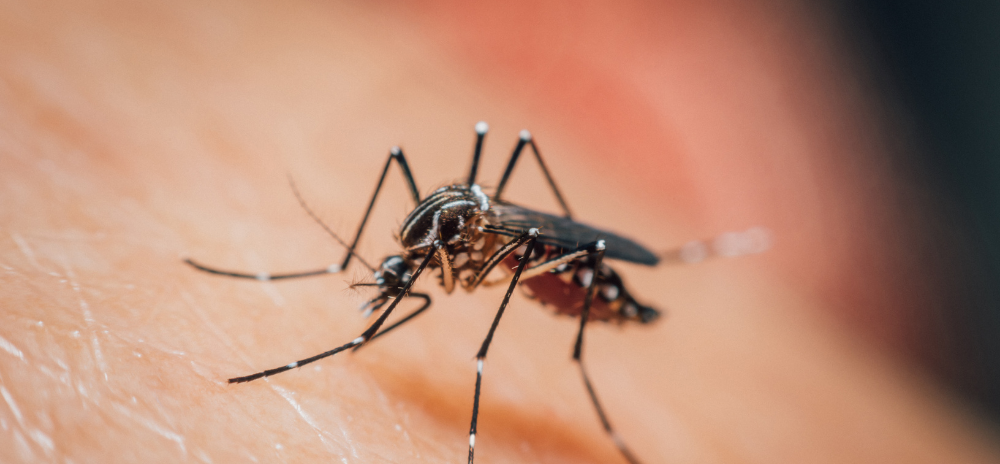
Aedes aegypti and Aedes albopictus, both established in DFW, are capable vectors for Zika virus and dengue fever. Unlike Culex mosquitoes, Aedes species are aggressive daytime biters that are active throughout the day rather than only at dusk and dawn. Aedes albopictus, the Asian tiger mosquito, is particularly common in residential yards and is identifiable by its black-and-white striped pattern. Standard dusk protective measures such as staying inside or applying repellent only in the evening are insufficient against these species.
Encephalitis
St. Louis encephalitis and equine encephalitis are also transmitted by Culex mosquitoes and have been documented in Texas. While less common than West Nile, both diseases can cause serious neurological illness and are part of the reason Dallas County maintains its active mosquito surveillance program each season.
Standing Water: The Root of Every Mosquito Problem
Every mosquito infestation on a DFW property traces back to standing water somewhere on or near the property. A female mosquito needs only a small amount of water to lay 100 to 200 eggs, which hatch within 24 to 48 hours and develop into adults in as little as seven to ten days during warm DFW temperatures. The mosquito’s entire life cycle from egg to adult can complete within two weeks in July and August conditions.
A weekly property walkthrough during DFW mosquito season should check all of these locations:
- Gutters and downspouts: Clogged gutters are one of the most productive mosquito breeding sites on a residential property. A gutter holding two inches of debris and water can support thousands of larvae.
- Plant saucers and potted plants: Any saucer that collects drainage from a potted plant is a breeding site. Empty or replace with sand.
- Tarps and covers: Any surface that sags and collects rainwater, whether over a woodpile, boat, or equipment, becomes a breeding area within days of a DFW rainstorm.
- Birdbaths and water features: Change birdbath water every three to four days. Add a fountain or aerator to water features, since mosquitoes do not breed in moving water.
- Low spots in the lawn: Areas that pond after rain are productive breeding sites. Aerate and topdress low spots to improve drainage.
- Children’s toys and play equipment: Buckets, plastic balls, and play structures collect rain. Invert or store items that are not in use during rain season.
How Professional Mosquito Barrier Treatment Works
Professional mosquito control services in DFW use barrier treatment as the primary approach for residential properties. Details on available treatment options are available in the mosquito control section of the pest education center. Here is how the treatment process works in practice.
Property Inspection
A technician walks the property to identify active and potential breeding sites, resting areas, and harborage zones. Common mosquito resting sites include the undersides of shrub leaves, along fence lines, in dense ground cover, and in tall grass. These are the areas that hold moisture and shade during the day where adult mosquitoes rest between feeding.
Barrier Application
A low-volume misting spray is applied to foliage, fence lines, the undersides of decks, and vegetation at the property perimeter. The active ingredient adheres to leaf surfaces and kills adult mosquitoes on contact when they land to rest. In DFW’s climate, a single application provides 21 to 30 days of residual control depending on rainfall and temperature. Monthly applications from March through October maintain continuous coverage through the active season.
Larvicide Treatment
For properties with water features, retention areas, or standing water that cannot be eliminated, a larvicide treatment kills mosquito larvae before they develop into adults. Mosquito dunks containing Bacillus thuringiensis israelensis (Bti) are commonly used in water that cannot be drained. Bti is toxic to mosquito larvae and harmless to fish, birds, and other wildlife.
What You Can Do Between Professional Treatments
Professional barrier treatment is most effective when combined with consistent homeowner actions between visits. The barrier controls adult populations present during treatment. New mosquitoes from breeding sites established between visits will begin repopulating the yard within days. These steps extend the effectiveness of professional treatment throughout the month:
- Empty standing water every 3 to 4 days during active breeding season from April through October.
- Apply DEET or picaridin-based repellent when spending time outdoors during peak mosquito hours, dusk to dawn for Culex species, and throughout the day for Aedes species.
- Use outdoor fans on patios and decks. Mosquitoes are weak fliers. A fan creating even light airflow over a seating area dramatically reduces landing activity.
- Consider mosquito dunks in any ornamental pond, rain barrel, or water feature that cannot be emptied. Dunks last 30 days and are widely available in Dallas and Fort Worth garden centers.
- Keep vegetation trimmed. Reduce the resting area available to adult mosquitoes by keeping shrubs pruned, grass cut short, and dense ground cover thinned.
Frequently Asked Questions
When does mosquito season start in Dallas-Fort Worth?
DFW mosquito season runs late March through October, peaking in July and August. Warm winters can push activity into November. Aedes mosquitoes, which can carry Zika, are active daytime biters.
How do I reduce mosquitoes around my Dallas home?
Empty standing water weekly from gutters, plant saucers, and birdbaths. Keep grass short and shrubs trimmed. Professional barrier sprays on foliage provide 21 to 30 days of effective mosquito coverage.
Does Dallas have West Nile virus from mosquitoes?
Yes. Dallas County reports West Nile cases annually, mostly July through September. Eliminating standing water and using repellent reduces bite risk. Dallas County Health monitors activity countywide.
How long does a professional mosquito barrier spray last in DFW?
Professional barrier treatments in DFW typically last 21 to 30 days depending on rainfall. Monthly service from March through October keeps coverage consistent through peak season for most properties.
What mosquito species carry disease in the Dallas area?
Culex quinquefasciatus is the primary West Nile vector in DFW. Aedes aegypti and Aedes albopictus can carry Zika and dengue and bite during the day. All three are common in Dallas County in summer.
Take Back Your Yard Before Mosquito Season Peaks
Mosquito season in DFW is long and the health risks are real. A combination of weekly property management and professional monthly barrier treatment is the most reliable way to reduce bite exposure and make outdoor spaces genuinely usable from spring through fall.
For mosquito control service schedules and coverage across Dallas, Fort Worth, and the DFW Metroplex, visit pestcontrolprosdallas.com.